
Highlights from the June 2026 Issue
Editor’s Note: We asked authors of Original Investigations to provide short plain-language summaries that would briefly summarize what inspired their study, the basic approach taken, what was learned, and why it matters. We hope our readers will find this valuable in helping them keep up with the latest research in the field of nephrology.
Highlights from the June 2026 issue:
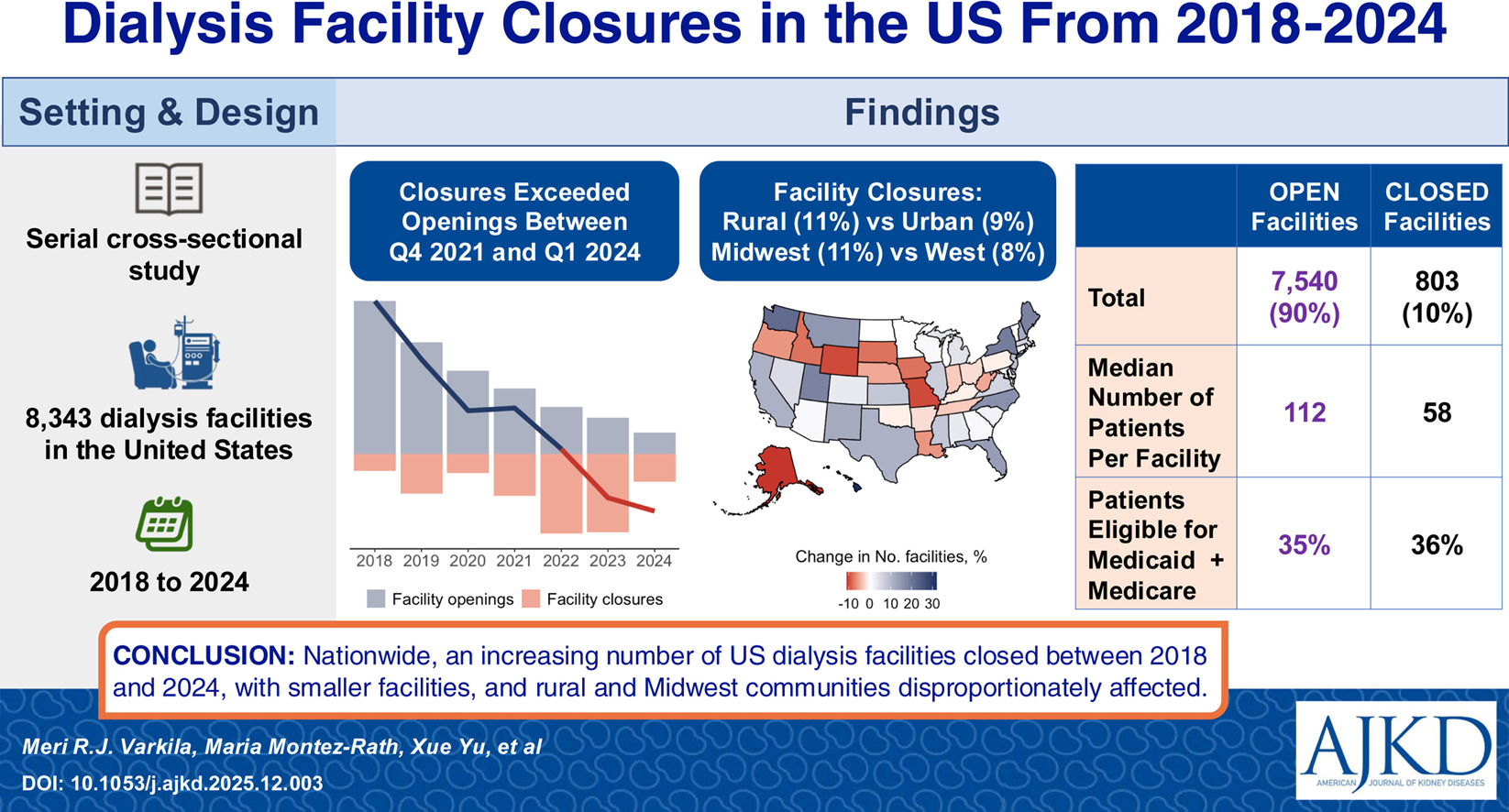
Dialysis Facility Closures in the US From 2018 to 2024: A Serial Cross-Sectional Study by Meri R.J. Varkila et al.
DOI: 10.1053/j.ajkd.2025.12.003
EDITORIAL: Dialysis Facility Closures: Fraying a Fragile Lifeline for People With Kidney Failure by Allison C. Reaves et al. [FREE]
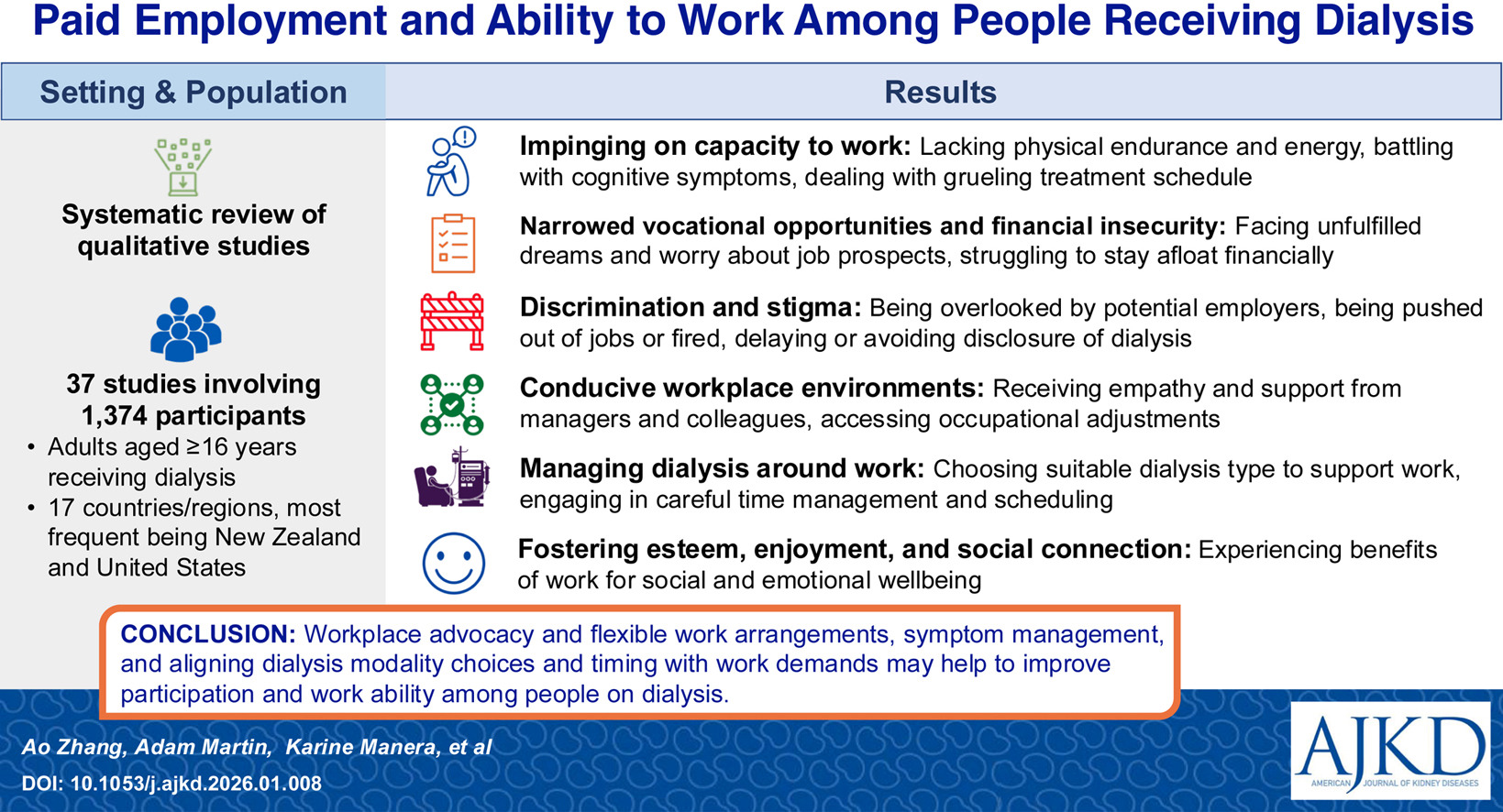
Paid Employment and Ability to Work Among People Receiving Dialysis: A Systematic Review of Qualitative Studies by Ao Zhang et al. [OPEN ACCESS]
From the authors: Many people receiving dialysis want to work, but maintaining paid employment can be challenging. Work is important not only for income but also for identity and social connection. We reviewed 37 studies to examine how people on dialysis experience work. People described that fatigue and the time demands of dialysis often limited their ability to work. Many also faced discrimination, job loss, or a lack of understanding from employers. However, supportive workplaces, flexible hours, and choosing dialysis options that accommodate work schedules helped people to remain employed. These findings show that better workplace support, flexible work arrangements, and health care that considers employment needs may help people on dialysis remain employed and support their well-being.
DOI: 10.1053/j.ajkd.2026.01.008
EDITORIAL: Unemployment and Inability to Work: A Continued Worldwide Challenge for People Receiving Dialysis by Ayman Hallab and Jay Wish [FREE]
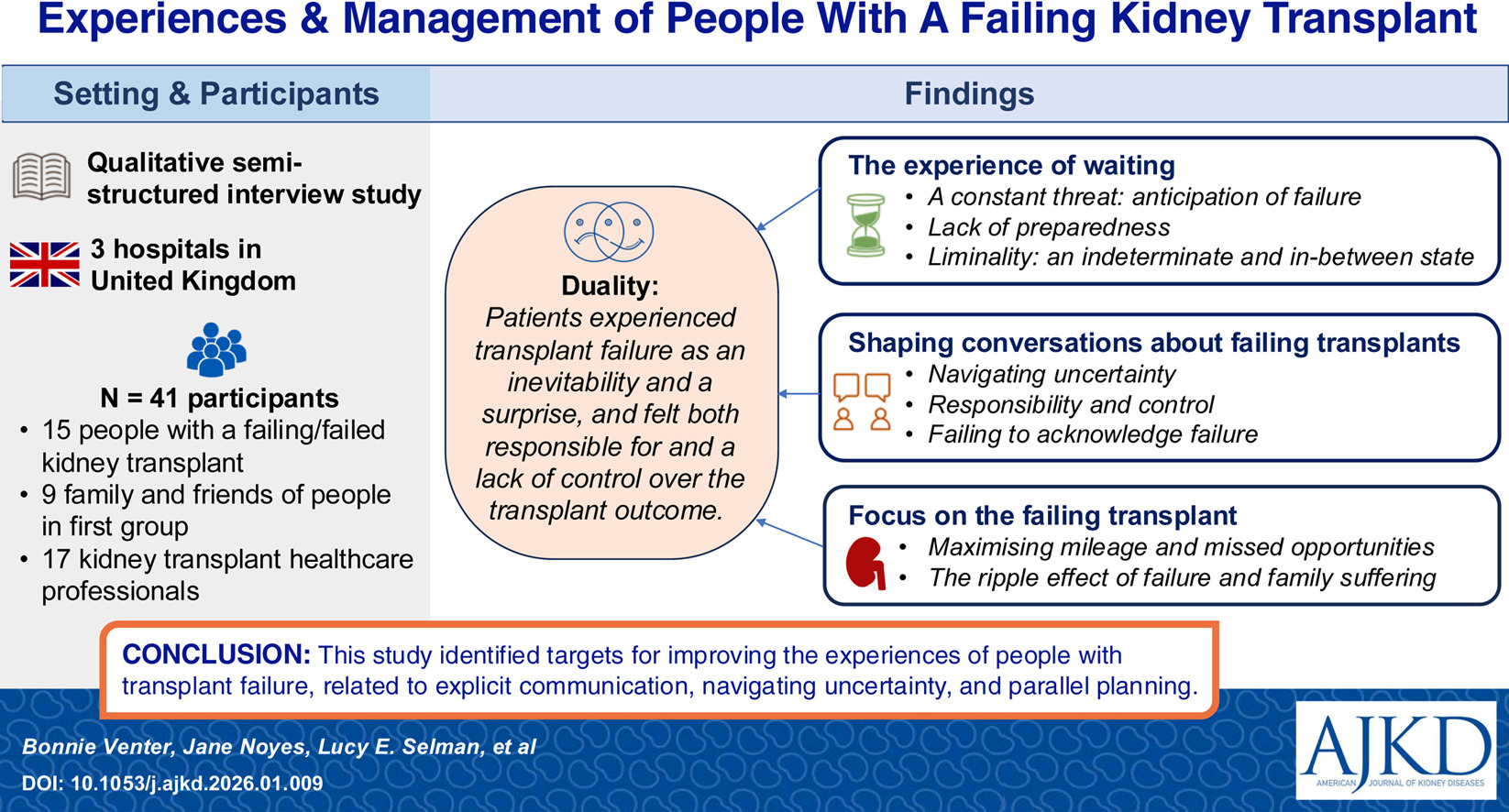
Experiences and Management of People With a Failing Kidney Transplant: Findings From the IN-FAKT Study by Bonnie Venter et al. [OPEN ACCESS]
From the Authors: We interviewed people who were experiencing or had experienced kidney transplant failure, their family and friends, and health care professionals (HCPs) about their experiences of living with and managing this failure. Patients described transplant failure as a constant threat, but they did not feel prepared for it. Patients and their families have many questions including: When will the transplant fail? How will it happen? Why did it fail? HCPs are unable to fully answer these questions, and patients feel responsible for what happens to their transplant. Our research shows that talking about transplant failure is difficult for patients and HCPs and that there are missed opportunities to prepare and support people.
DOI: 10.1053/j.ajkd.2026.01.009
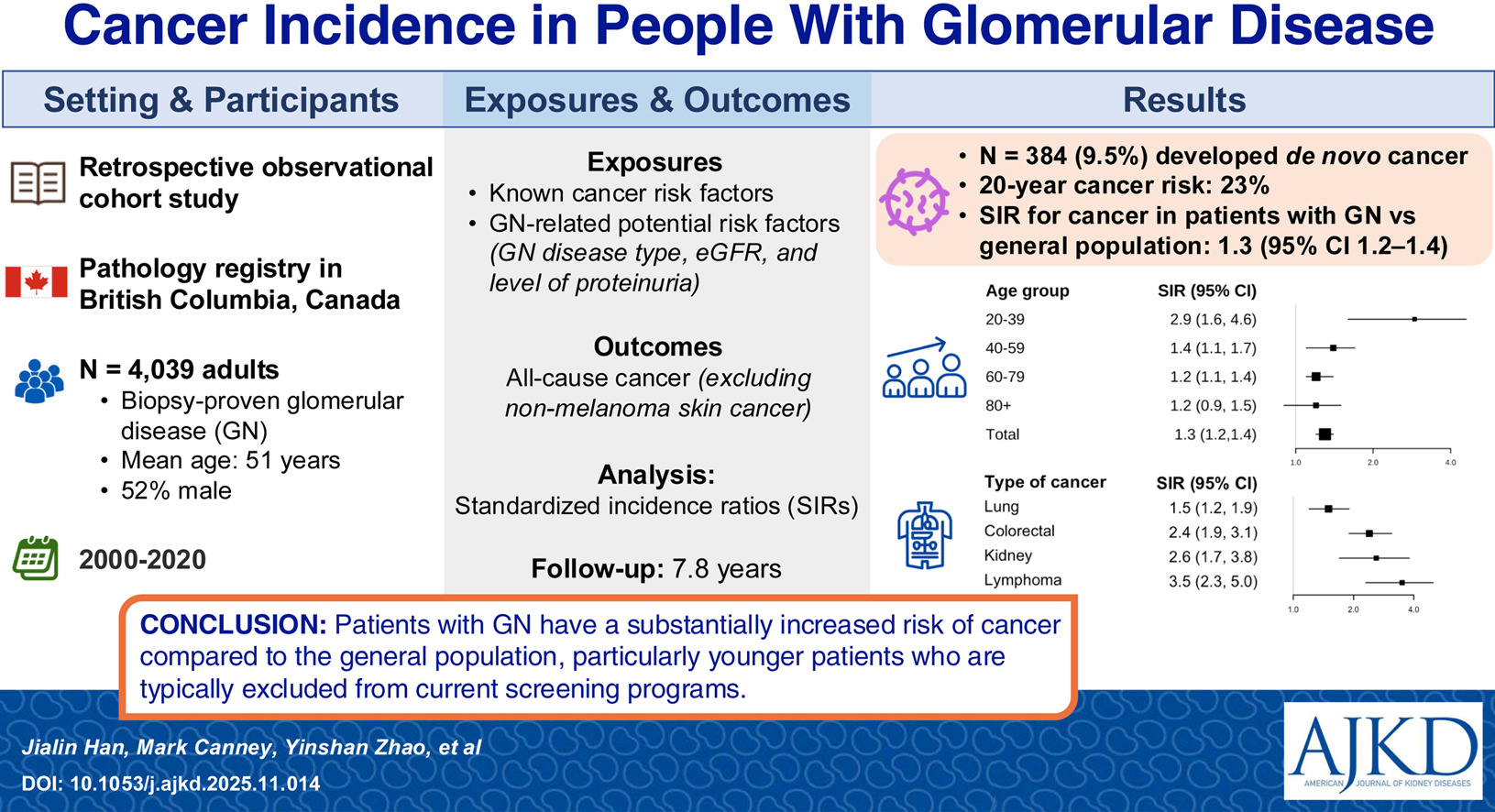
Cancer Incidence in People With Glomerular Disease: A Population-Level Study by Jialin Han et al. [OPEN ACCESS]
From the Authors: People with glomerulonephritis (GN) are thought to be at an increased risk of cancer, but previous studies had limitations that limited the accuracy of the cancer risk estimates in this population. This study of 4,039 patients with GN found the incidence of cancer to be 30% higher than in the general population. Among patients under 40 years of age, the risk was nearly 3-fold. The types of cancers at increased risk were colorectal, lung, kidney, and lymphoma. These findings highlight the need to raise awareness of cancer risk in patients with GN and may inform further development of targeted screening and prevention strategies, particularly among younger adults.
DOI: 10.1053/j.ajkd.2025.11.014
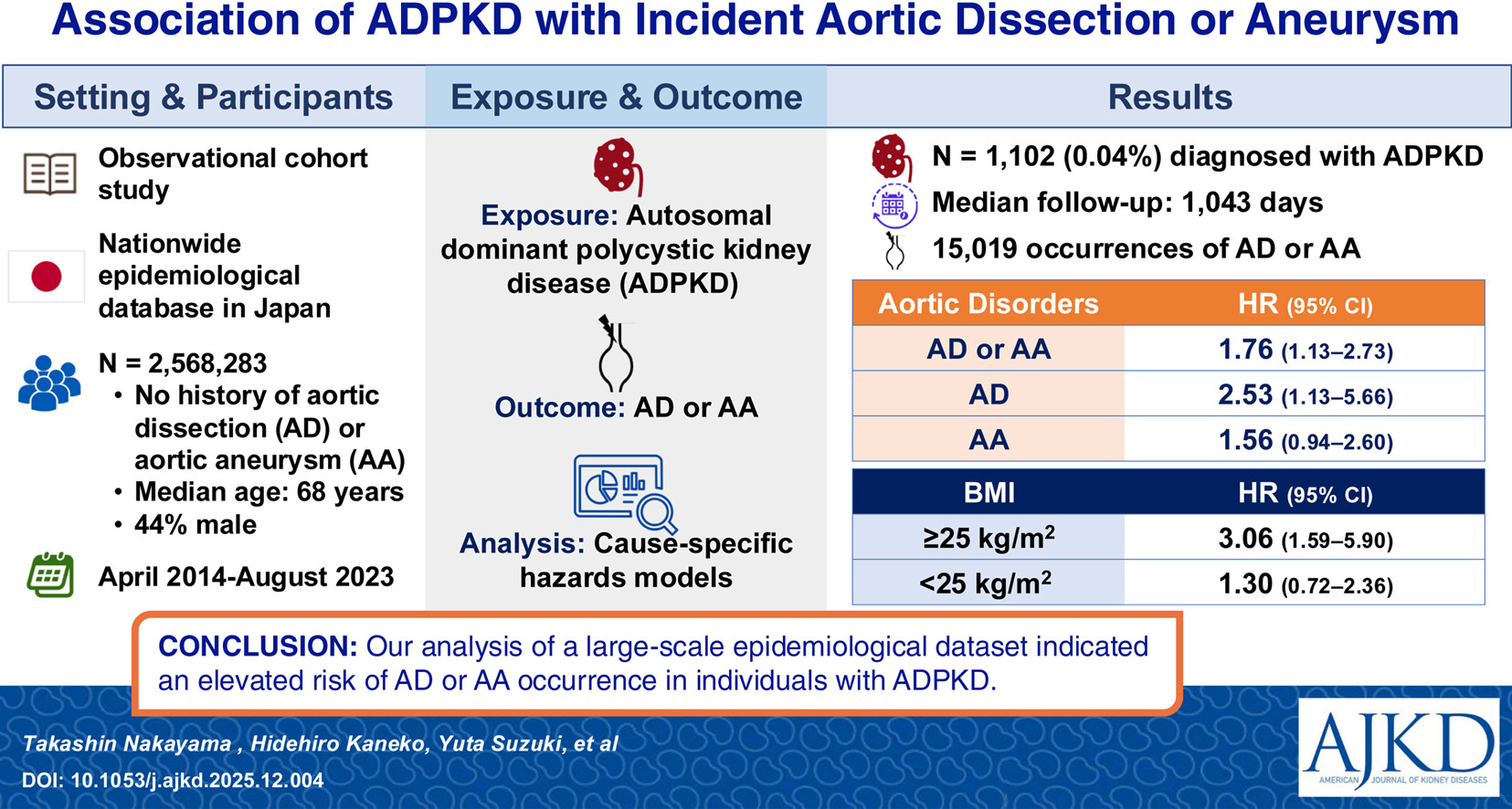
Association of Autosomal Dominant Polycystic Kidney Disease With Incident Aortic Dissection or Aneurysm by Takashin Nakayama et al. [OPEN ACCESS]
From the authors: Autosomal dominant polycystic kidney disease (ADPKD) is a common inherited condition that can impair kidney function and affect other organs. Previous studies have suggested that aortic dissection (AD) or aortic aneurysm (AA) may be among its complications, but the evidence has remained inconclusive. We used a nationwide dataset of more than 2.5 million individuals to examine whether individuals with ADPKD are at increased risk of developing AD or AA. Our analyses showed a significant association between ADPKD and these serious aortic disorders. These findings highlight the importance of multidisciplinary efforts to promote prevention, timely recognition, and early intervention for AD or AA in individuals with ADPKD.
DOI: 10.1053/j.ajkd.2025.12.004
Association of the Timing of Acute Declines in Kidney Function in Acute Heart Failure With Cardiovascular and Kidney Outcomes by Wendy McCallum et al.
From the authors: Acute declines in kidney function are frequently encountered among patients admitted for acute heart failure. Using data from the Efficacy of Vasopressin Antagonism in Heart Failure Outcome Study With Tolvaptan (EVEREST) trial, we evaluated whether the timing of an acute decline in kidney function may inform the relationship of those declines with the risk of death and other adverse cardiovascular outcomes. We found that early declines in kidney function 3 days after randomization were not associated with death or cardiovascular outcomes. However, declines occurring at 14 days and as early as 7 days were associated with higher risks. Declines at any of these times were associated with worse kidney function over time.
DOI: 10.1053/j.ajkd.2025.12.005

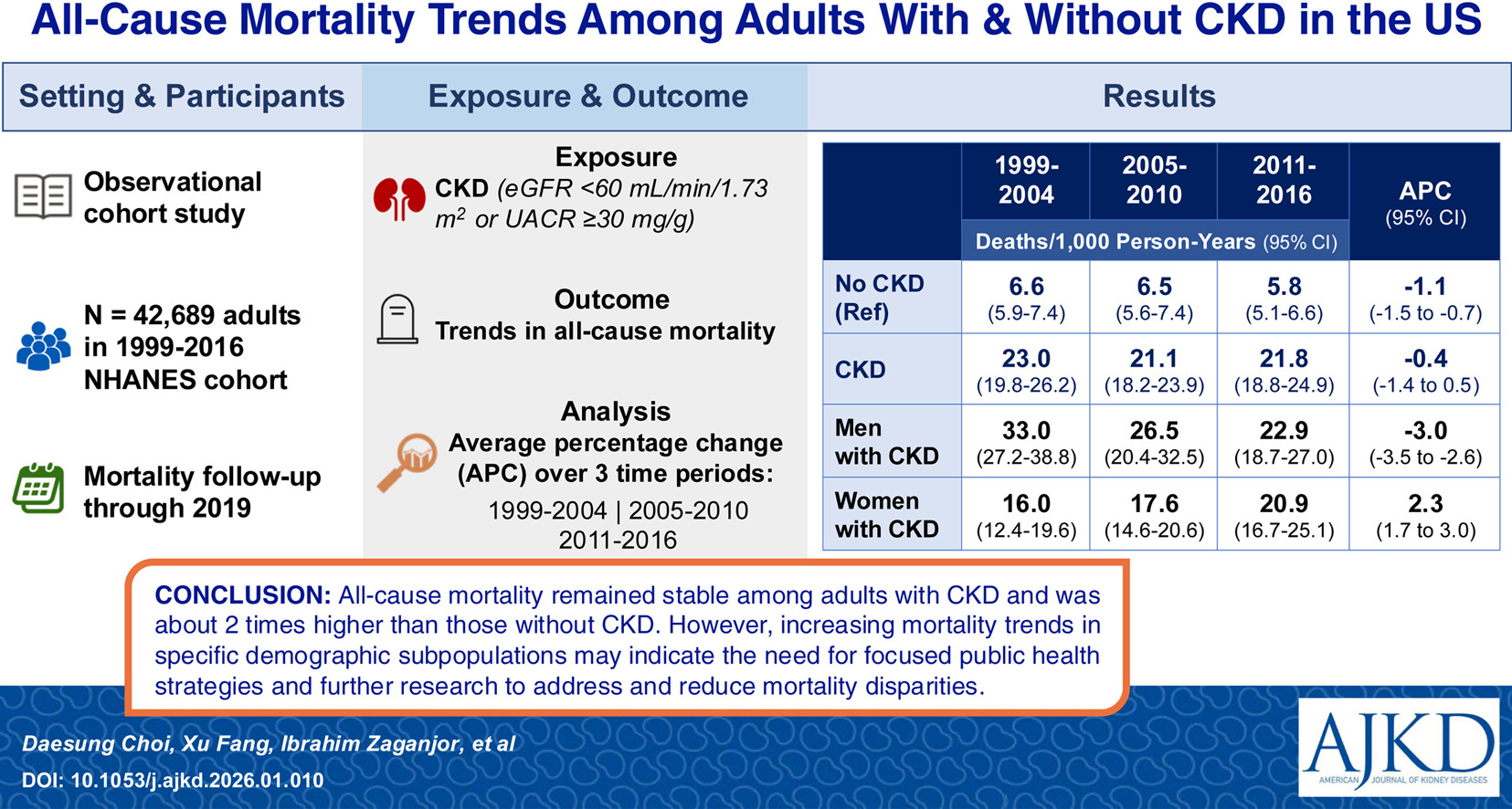
National All-Cause Mortality Trends Among Adults With and Without CKD in the United States, 1999-2019 by Daesung Choi et al.
All-cause mortality remained stable among adults with CKD and was about 2 times higher than for those without CKD. However, increasing mortality trends in specific demographic subpopulations may indicate the need for focused public health strategies and further research to address and reduce mortality disparities.
DOI: 10.1053/j.ajkd.2026.01.010
Core Curriculum in Nephrology in the June 2026 issue:
Malignancy and Kidney Transplant: Core Curriculum 2026 by Christopher D. Blosser et al.
DOI: 10.1053/j.ajkd.2026.01.011
 On the Cover:
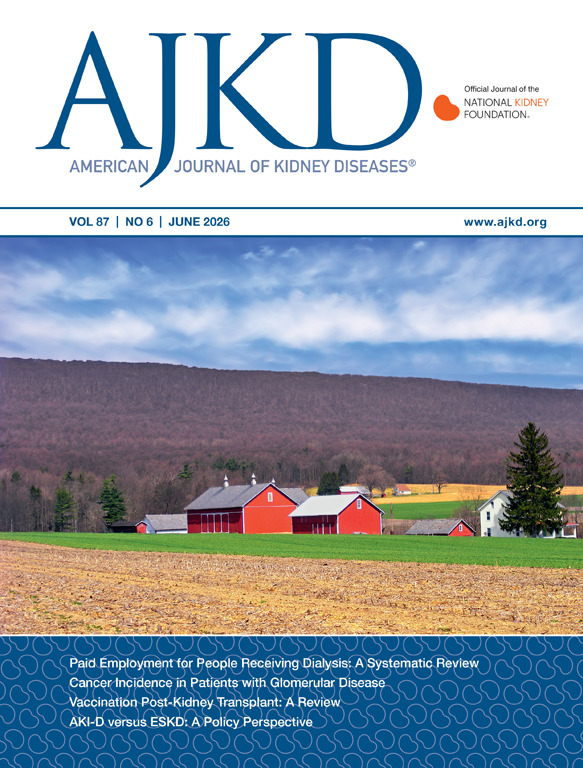
The isolated rural landscape reflects a widening gap in access to dialysis care as facility closures accelerate across the United States. In this issue of AJKD, Varkila et al describe a trend of rising closures and fewer new dialysis facility openings, in particular in rural communities and parts of the Midwest.
Special thanks to Editorial Intern Kashvi Gupta for curating the cover image and drafting the cover blurb for this issue. The photo “Slope” by Nicholas A. Tonelli is released on flickr under the CC BY 2.0 license
Special Collection: Kidney Transplantation
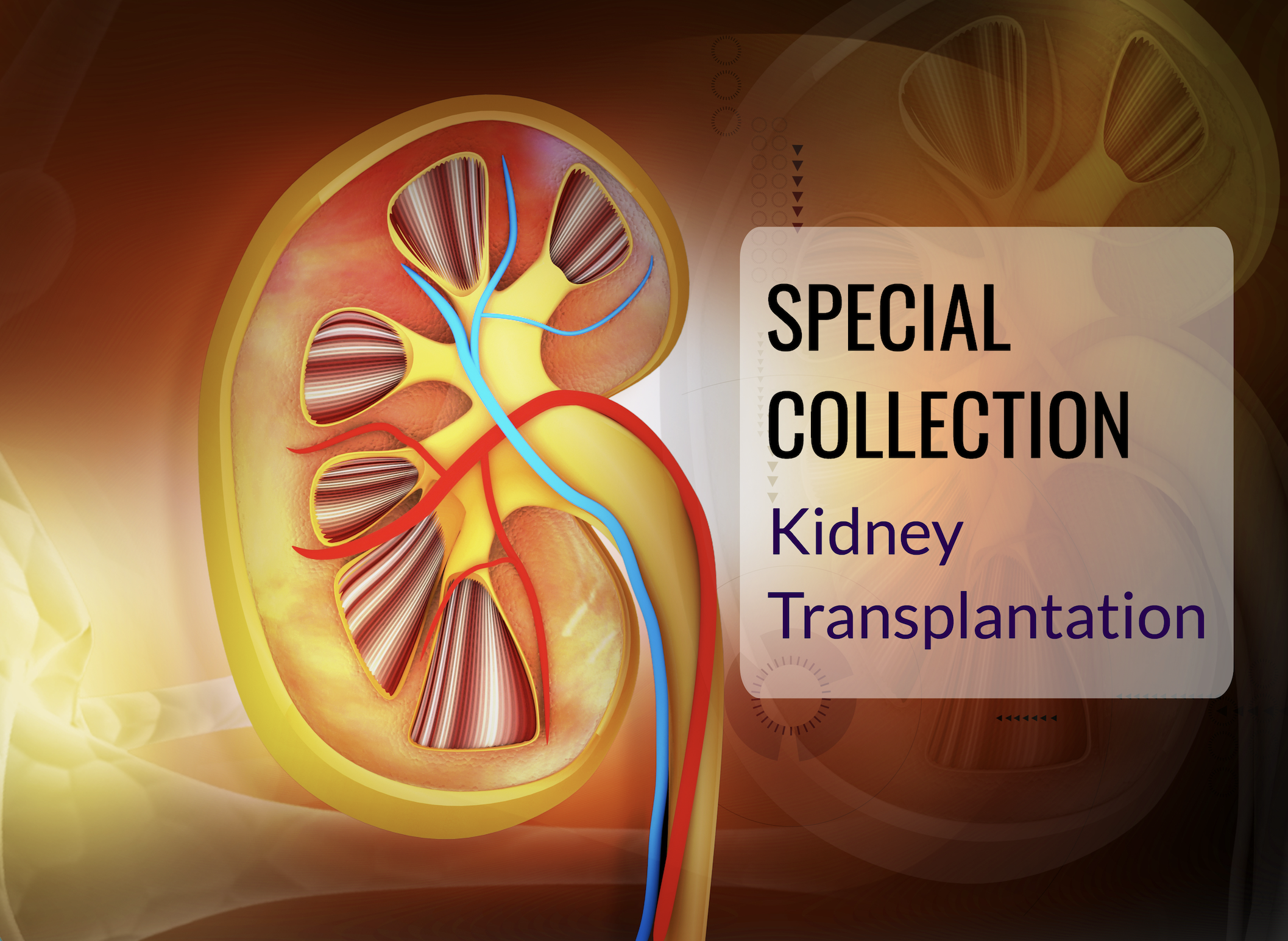
The editors present this special collection of articles focused on the kidney transplantation.
Leave a Reply