Interview
Interviews are typically with authors on their recently published AJKD articles.
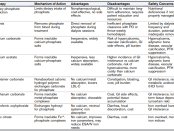
Hyperphosphatemia remains a major challenge in managing patients with kidney failure and is associated with significant morbidity and mortality. In a Mini-Review recently
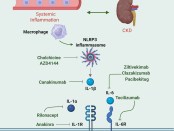
[...]Chronic systemic inflammation, triggered by innate immune system activation, is a key driver of both chronic kidney disease (CKD) and associated atherosclerosis and
[...]Membranous nephropathy (MN) is characterized by a relapsing remitting course with a third of patients developing kidney failure if untreated. A recent study published in AJKD
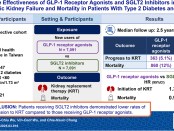
[...]Glucagon-like peptide-1 receptor agonists and sodium/glucose cotransporter 2 (SGLT2) inhibitors can improve outcomes in patients with type 2 diabetes. Using a nationwide
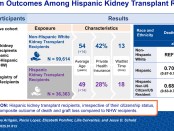
[...]Hispanics, the largest ethnic minority group in the United States, experience faster progression of chronic kidney disease to kidney failure compared with non-Hispanic White
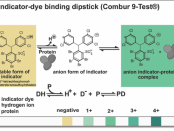
[...]Proteinuria plays a central role in the diagnosis of kidney disease and has a high prognostic value. The test methods used differ considerably regarding their impact on test
[...]Autosomal-dominant polycystic kidney disease (ADPKD) is a chronic systemic disease that affects all races and ethnicities. During the past decade, more evidence has emerged
[...]Chronic kidney disease (CKD) populations face an elevated risk of cardiovascular disease (CVD), yet many remain undertreated with statins for primary prevention of CVD
[...]Renal tubular acidoses (RTAs) are a subset of non-anion gap metabolic acidoses that result from complex disturbances in renal acid excretion. In a Core Curriculum recently
[...]The use of urea to treat hyponatremia related to the syndrome of inappropriate antidiuretic hormone secretion (SIADH) has not been universally adopted due to questions about
[...]